← Sobhan Lotfi

Reading

Books I love. Some of them turned out to be where my questions came from, which I did not notice at the time.

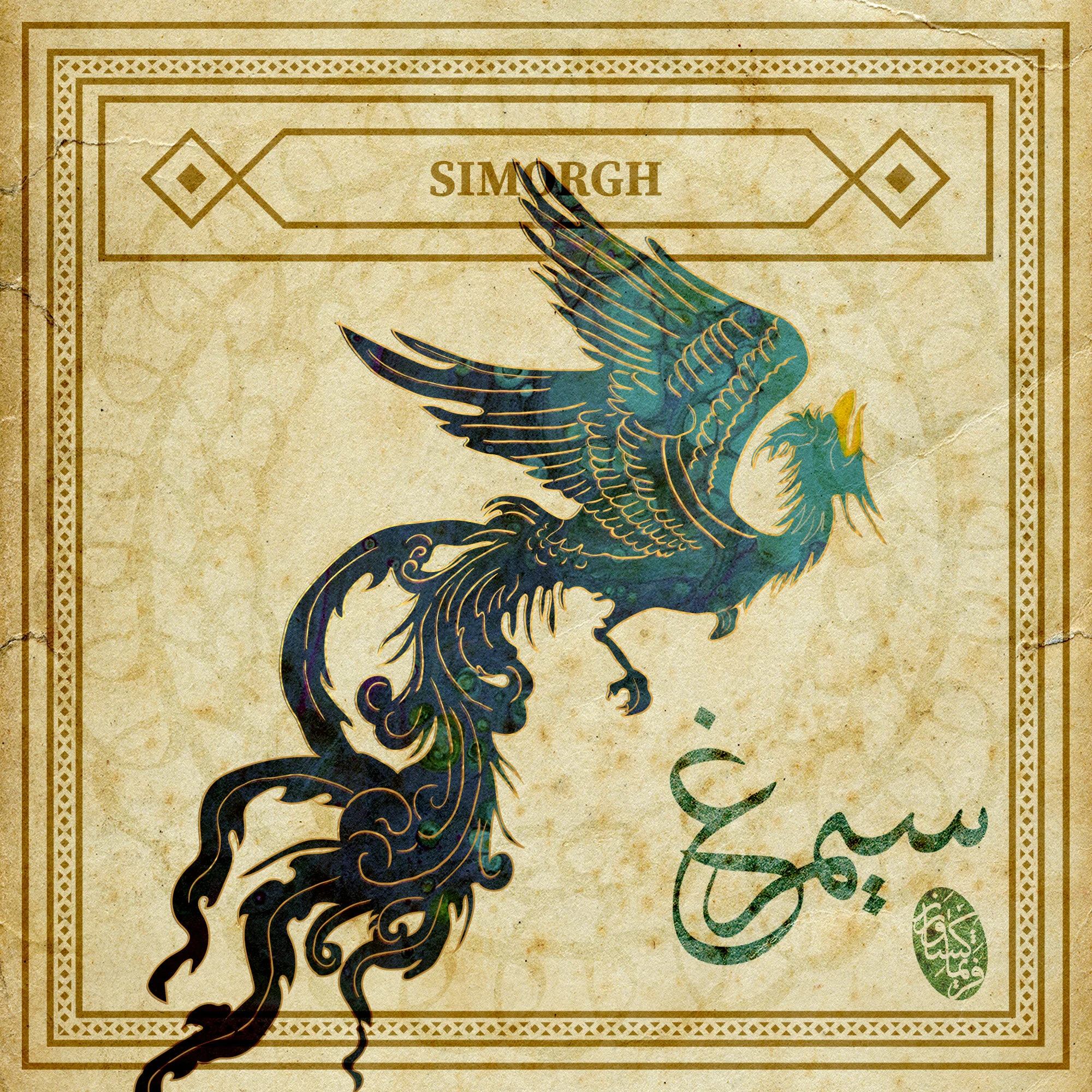
The Conference of the Birds Attar of Nishapur c. 1177

The Conference of the Birds منطق الطیر

Thirty birds cross seven valleys to find the Simorgh, the king of the birds. Most die on the way or turn back with good excuses. The thirty who arrive find no king waiting, only each other, because si morgh means thirty birds in Persian and the pun had been sitting in the title the whole time. It is one of the few stories Persian literature is actually built on, and no summary improves on that ending. I keep it here rather than in a list of things I love because of what the pun does. The birds are not rewarded for arriving. They are made by the crossing, and the thing they were looking for did not exist until they had finished looking for it.
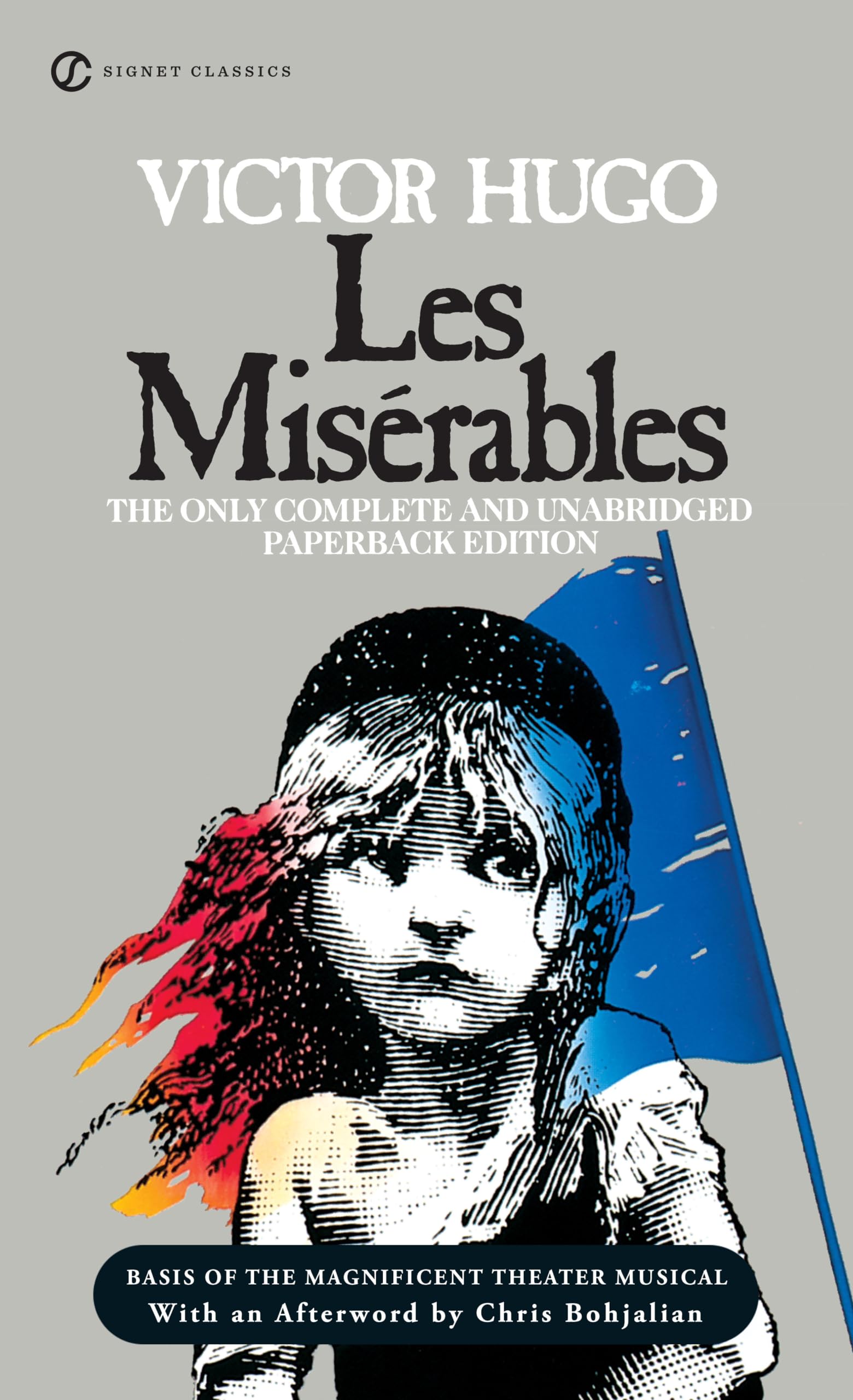
Les Misérables Victor Hugo 1862

Les Misérables

Javert is not a villain, and reading him as one ruins the book. He holds one consistent value system, applies it without exception, and it has served him honestly for his entire life. Then Valjean spares him at the barricade, and he is left holding two things at once that will not sit together: the law says this man is guilty, and his own eyes say this man is good. For the first time he cannot act lawfully without acting immorally, and he has no procedure for that, because his system was built on the assumption that no such case could exist. Hugo gives him one line before the Seine. There was a cloud in this crystal.

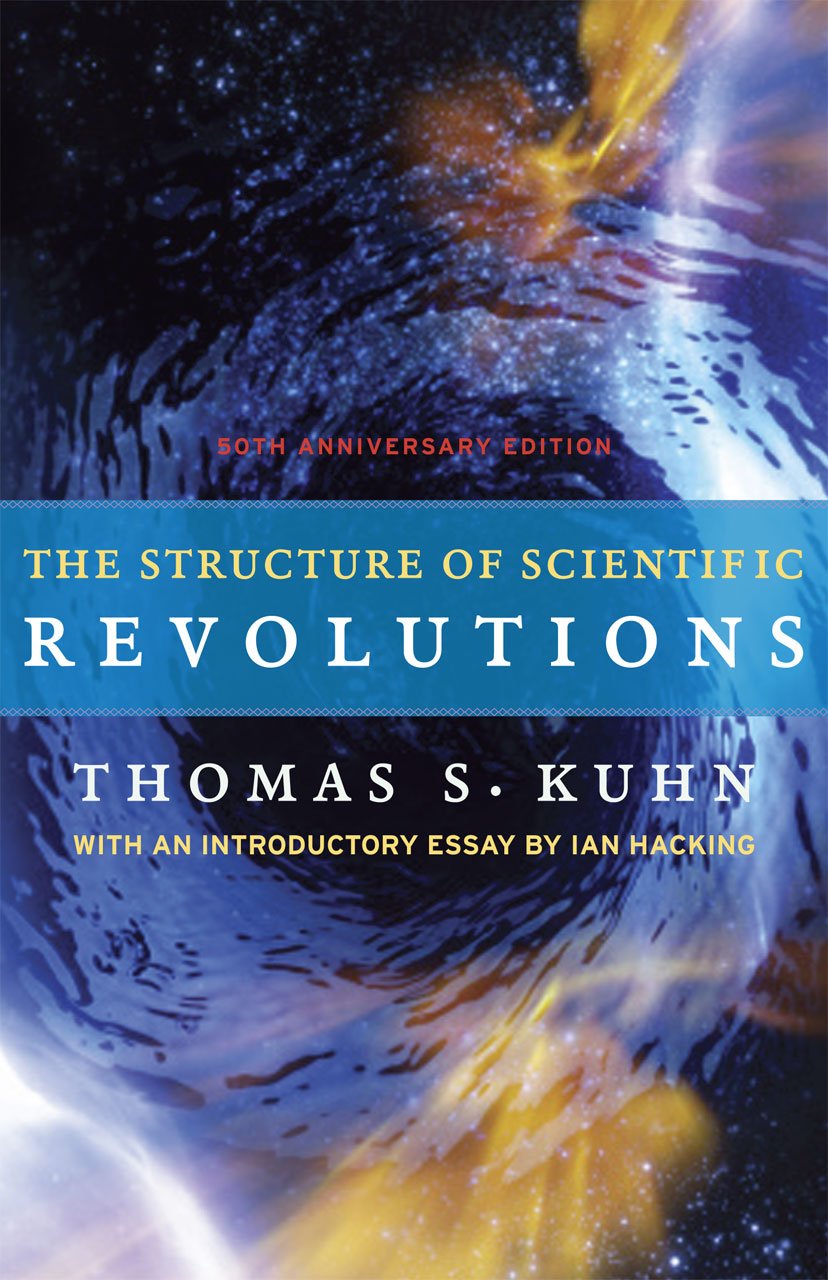
The Structure of Scientific Revolutions Thomas Kuhn 1962

The Structure of Scientific Revolutions

I read it as sociology, not as a theory of truth, and that is where it is strongest. Most people take the book as ammunition against normal science, and the loudest version of that reading was Popper's: he thought the normal scientist was someone to feel sorry for, a product of bad teaching. The other way round is more interesting. The people doing normal science are the ones who push a paradigm until its successes run out, and running it out is what makes the anomalies visible at all. They also build the grants, the pipelines, the tooling, and the long list of paths that turned out to be empty. Whoever finally breaks the paradigm gets to skip every one of those paths, standing on a decade of careful unglamorous work, usually unable to name a single person who did it.

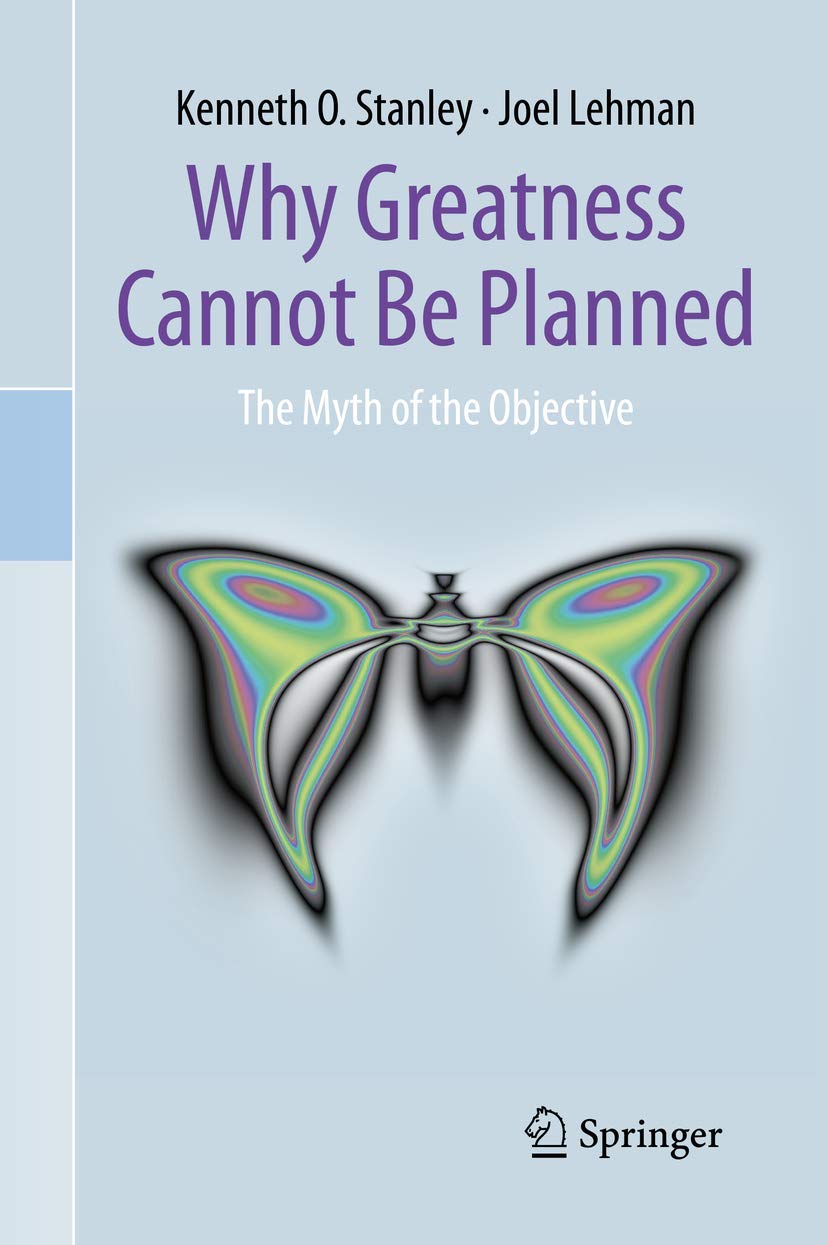
Why Greatness Cannot Be Planned Kenneth Stanley
& Joel Lehman
2015

Why Greatness Cannot Be Planned

The surface reading is that you should stop planning and wait for greatness to happen to you. The book says otherwise, but that is the reading most people leave with. What is smaller and much harder to actually do: collect things because they interest you, and keep them. Not because they will pay off later, since believing that turns them back into objectives and the whole deception starts again. The test is whether you would still want the thing if it led nowhere.

I read this years before I had any reason to think I would meet either author. Joel later ended up on a paper with me. I would love to tell you I planned that.

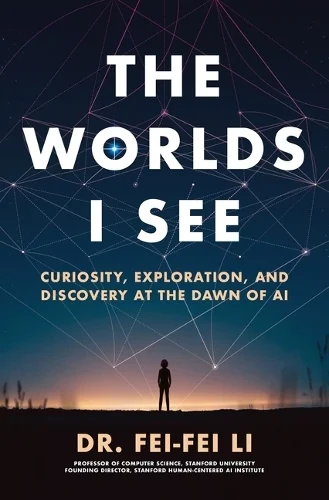
The Worlds I See Fei-Fei Li 2023

The Worlds I See

For years the field was optimizing hard along the wrong axis. Everyone believed a better algorithm was the answer and treated the data as incidental. She thought the data was the entire problem, and spent years building a dataset almost nobody wanted to help with. The strange part is how ordinary the mistake looks from the inside. Nobody was lazy, everybody was working, and the effort was simply pointed at whatever the field had agreed to measure.

The title is plural and she means it. She is holding a family business, a mother who is seriously ill, and Princeton physics in the same years, and the book never treats any one of them as the interruption to the others. That is the part I did not expect and the part I still think about.